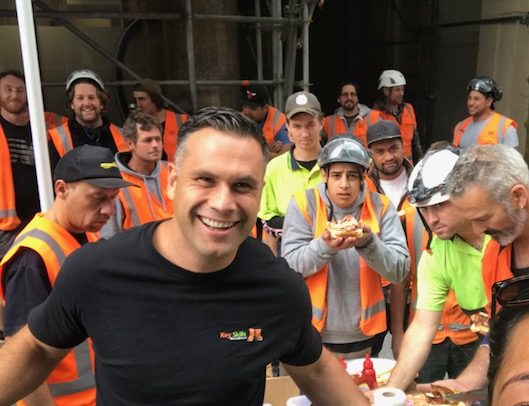
One day you’re in steel caps on site. The next, you’re in a suit at the Beehive talking to Ministers about how the country keeps its workforce moving.
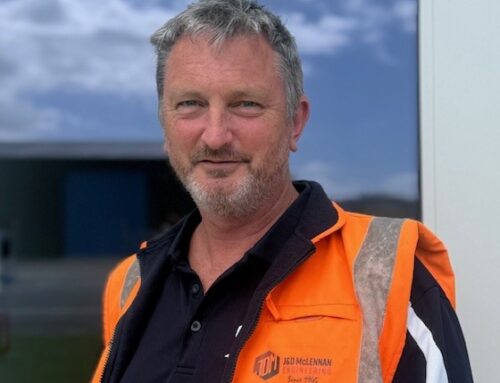
That was Josh’s week recently when he represented Key Skills at the RCSA’s industry summit in Wellington. Hosted inside ParMattent, the event was all about connecting recruitment leaders directly with Government decision-makers.
There was no sitting quietly in the back. Attendees sat down with MPs, Ministers, MBIE, and MSD officials to thrash out the big topics shaping our industries – immigration policy, workforce regulation, digital skills, productivity, AI, and removing barriers for underrepresented groups.
Josh made sure the local hiring perspective was on the table. It’s one thing to talk about “skills shortages” in the abstract. It’s another to point out what it means for a Wellington construction crew when they can’t get the right people, at the right time, in the right place.
The conversations weren’t just talk. There were real opportunities for collaboration, particularly with MSD on connecting local job seekers to industries that need them now. Strengthening those relationships means we’re better placed to advocate for public investment that keeps people in work and skills in the region.
But if the Beehive was the view from the top, the building site was the reality check.
Speaking to The Press and mentioned in Bernard Hickey’s The Kākā, Josh didn’t sugarcoat it. The past six months have been the hardest of his career, with so many people leaving the construction industry.
And this downturn is different. Usually, when private projects slow down, large-scale public investment in housing, infrastructure, education, health steps in to keep things moving. This time, Josh says, the Government has “pulled the pin” on everything, particularly Kāinga Ora projects.
Older industry veterans are comparing it to the early 1990s. Some think it might be worse.
That’s why those conversations at the Beehive matter. It’s not about ticking the box on “industry engagement.” It’s about making sure policy decisions don’t ignore the reality on the ground.
Local hiring keeps people in work. It strengthens communities. And it means skills stay here, ready for when things pick up again. But that only works if the right levers are pulled now from immigration settings to public investment so the local workforce has enough work to keep their boots on.
This post first appeared in Hire Wire, our free monthly newsletter on smarter hiring and all things in construction, engineering and manufacturing recruitment. Subscribe here or get in touch if you want to talk through anything you’ve read.