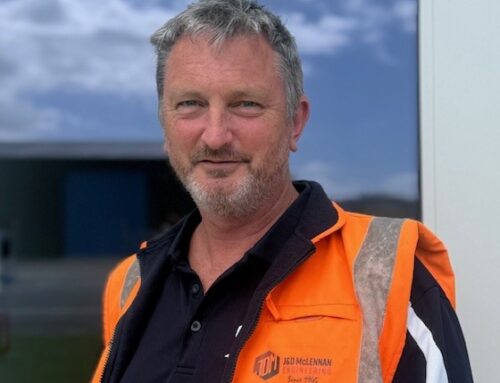

“Let’s call it what it is,” says Ailsa Atkins, co-owner of Key Skills Recruitment. “The recruitment industry’s reputation is in rough shape.”
She says too many job seekers still feel ghosted, unheard, or treated like numbers and that’s on the industry. “If we want people to trust us, we have to earn it,” she says. “Not by saying the right things, but by doing them, consistently and visibly.”
Ailsa says recruitment has lost sight of its most important part – people. “We’ve all seen it,” she says. “The missed calls, the shortcuts, the people left hanging. That’s what’s damaged our reputation, and it’s time to call it out.”
At Key Skills, Ailsa believes accountability should run both ways. “Recruiters already sign the RCSA Code of Professional Conduct, committing to fairness, transparency, and respect. But what if clients had to meet that same standard before hiring through us?”
“Imagine if every business that used a recruiter had to sign up to the same code and could only engage with recruiters who are audited and approved to meet it. We’d start cleaning up the supply chain from both ends.”
She points to the Tōtika health and safety framework as a great example of how shared standards can work. “Tōtika made tier-one contractors lift their game by insisting everyone on site, from suppliers to subcontractors, met the same accreditation standard. There’s no reason recruitment shouldn’t hold itself to the same bar.”
On potential regulation, Ailsa’s pragmatic. “Licensing might eventually arrive, but it needs to be smart. A small, hands-on labour hire crew isn’t the same as a global search firm. Treating both the same ignores the realities of how people actually get jobs and how smaller firms build relationships.”
And when it comes to immigration, Ailsa says current settings are punishing good operators. “The Accredited Employer Work Visa was supposed to stop exploitation,” she says, “but it’s loaded smaller ethical employers with such heavy bureaucracy that only high-volume importers can make it work.”
She explains the problem simply. “If we employ a qualified welder for Client A and that project slows, we can’t move them to Client B without starting the visa process again from scratch. Each new host business has to go through Immigration NZ’s full approval cycle even if the worker, job type, and pay rate are identical. On paper, that might sound like oversight, but in reality, it kills flexibility and pushes ethical employers out of the system.”
Her fix is straightforward:
• Recognise labour hire as a legitimate employer model, not a red flag
• Let accredited employers move workers between pre-vetted clients quickly and safely
• Keep the focus on fair pay, safety, and genuine worker welfare instead of endless forms
“Recruitment doesn’t need better marketing,” Ailsa says. “It needs better behaviour. We’re the bridge between people and opportunity, but right now, too many bridges are creaky.”
“If we clean up our own backyard, push for smarter rules, and hold ourselves and our clients to the same ethical standards,” she says, “we can rebuild trust where it matters most, one worker, one client, one job at a time.”
This post first appeared in Hire Wire, our free monthly newsletter on smarter hiring and all things in construction, engineering and manufacturing recruitment. Subscribe here or get in touch if you want to talk through anything you’ve read.